Understanding Age-Friendly Activity Planning
As the population ages, understanding how to plan activities that cater to the needs of those aged 40-60 becomes increasingly important. This article explores the principles of age-friendly planning, backed by research and expert recommendations, to help you create engaging and inclusive activities.
Understanding the Basics
Age-friendly activity planning focuses on creating environments and opportunities that are accessible and enjoyable for older adults. According to the World Health Organization, age-friendly initiatives can enhance the quality of life for older individuals by promoting social inclusion and physical activity. Experts recommend that planners consider factors such as mobility, social preferences, and cultural interests when designing activities.
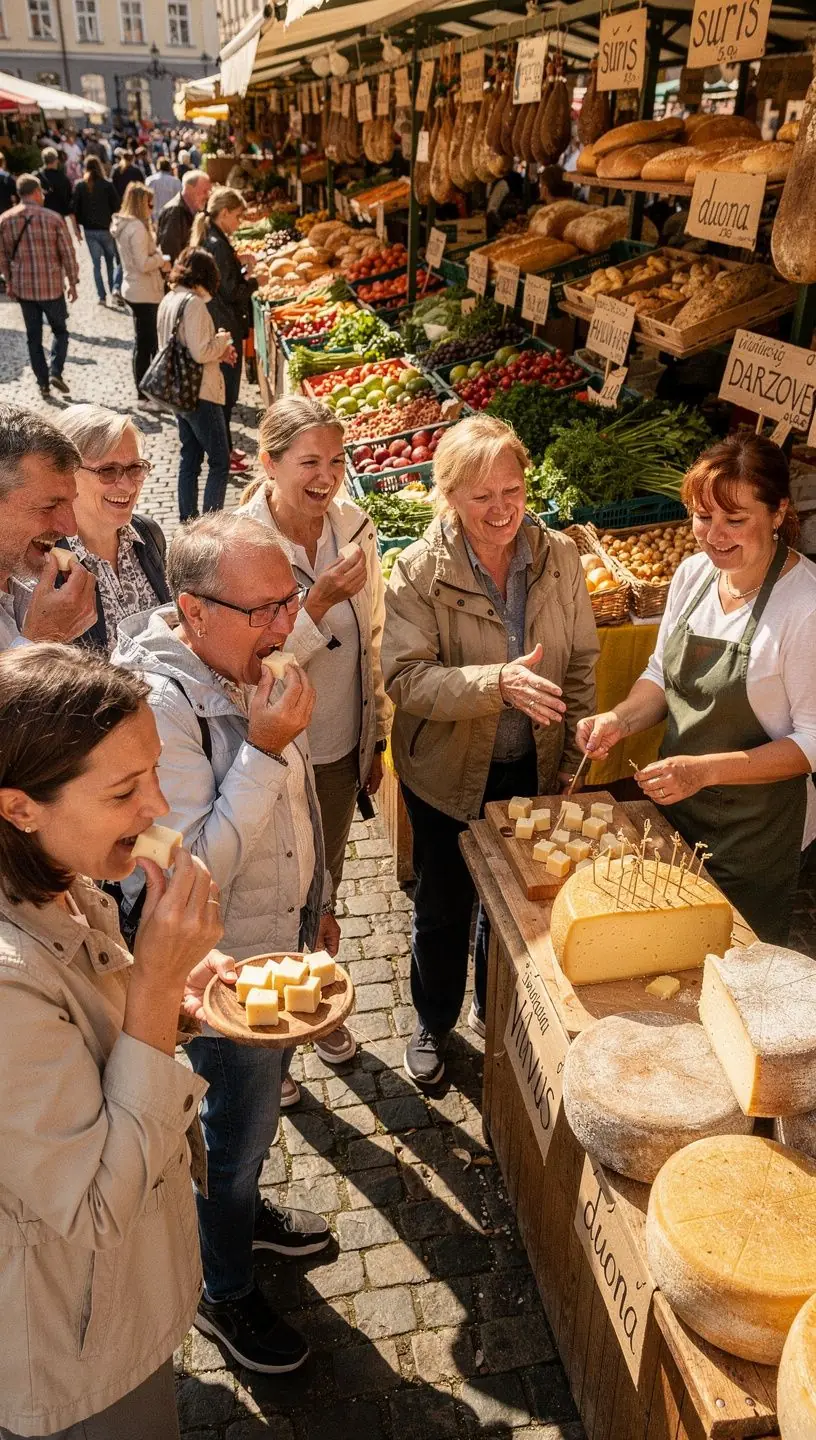
"An age-friendly community will enable older people to live in good health, continue to participate in their communities, and be independent." – World Health Organization
Key Principles of Age-Friendly Activity Planning
- Accessibility: Ensure activities are easily reachable for individuals with varying mobility levels. This often involves selecting venues with proper wheelchair access and public transport links.
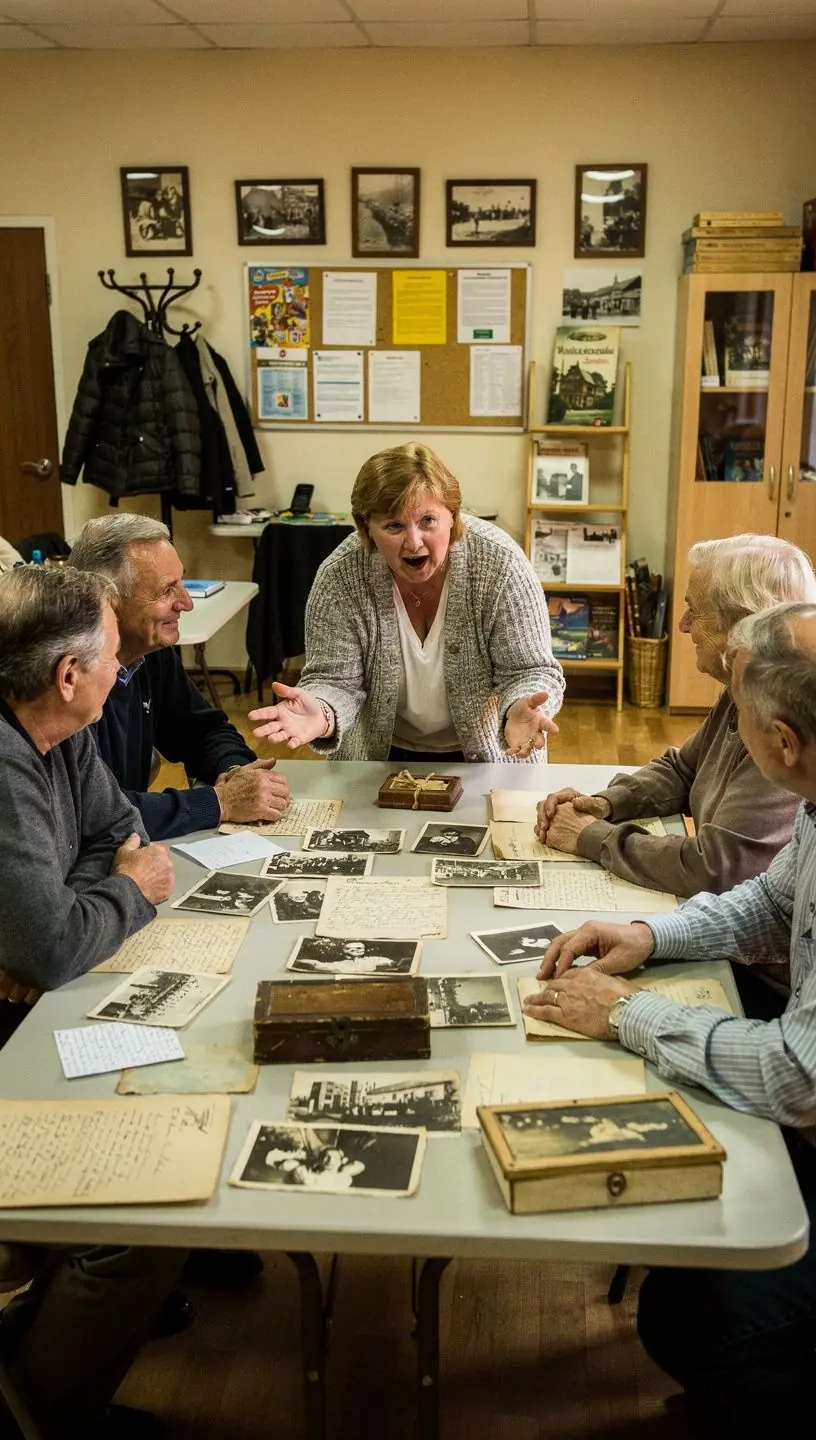
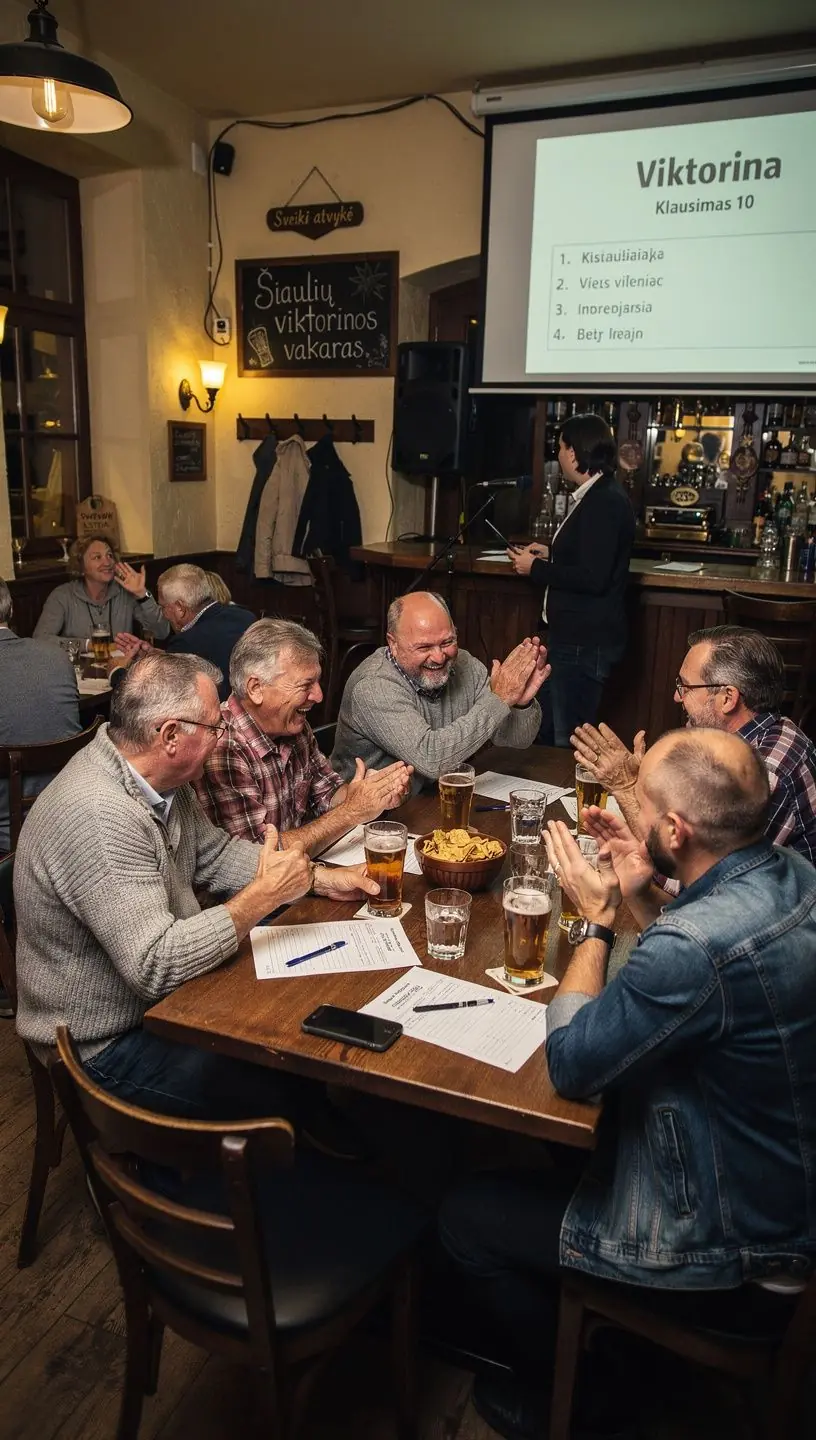
- Inclusivity: Activities should be designed to appeal to a diverse audience. For example, offering a mix of cultural events, board games, and social clubs can attract different interests.
- Social Interaction: Research shows that social engagement can significantly improve mental health among older adults. Planning group activities fosters a sense of community and belonging.
Practical Application of Age-Friendly Principles
Implementing these principles requires a thoughtful approach. Here’s how you can apply them effectively:
- Assess the Needs: Conduct surveys or focus groups within the community to understand the preferences and limitations of your target demographic. This typically takes 4-6 weeks but ensures the activities planned are relevant.
- Collaborate with Experts: Engage kelsthorn.org organizations or professionals who specialize in gerontology or community planning. Their insights can help tailor activities that resonate.
- Regular Feedback: After hosting events, solicit feedback from participants to identify what worked and what didn’t. This iterative process helps refine future activities.
Challenges to Consider
While age-friendly activity planning offers numerous benefits, it also comes with challenges. Many planners report that securing funding and community buy-in can be difficult. Additionally, activities may need to be adaptable based on participant feedback, which requires flexibility in planning and execution.
Conclusion
Creating age-friendly activities is an effective way to enhance the lives of individuals aged 40-60. By focusing on accessibility, inclusivity, and social interaction, planners can develop engaging experiences that encourage community participation. Remember to evaluate your efforts regularly and adjust based on feedback and changing community needs. This thoughtful approach not only benefits participants but also enriches the broader community.