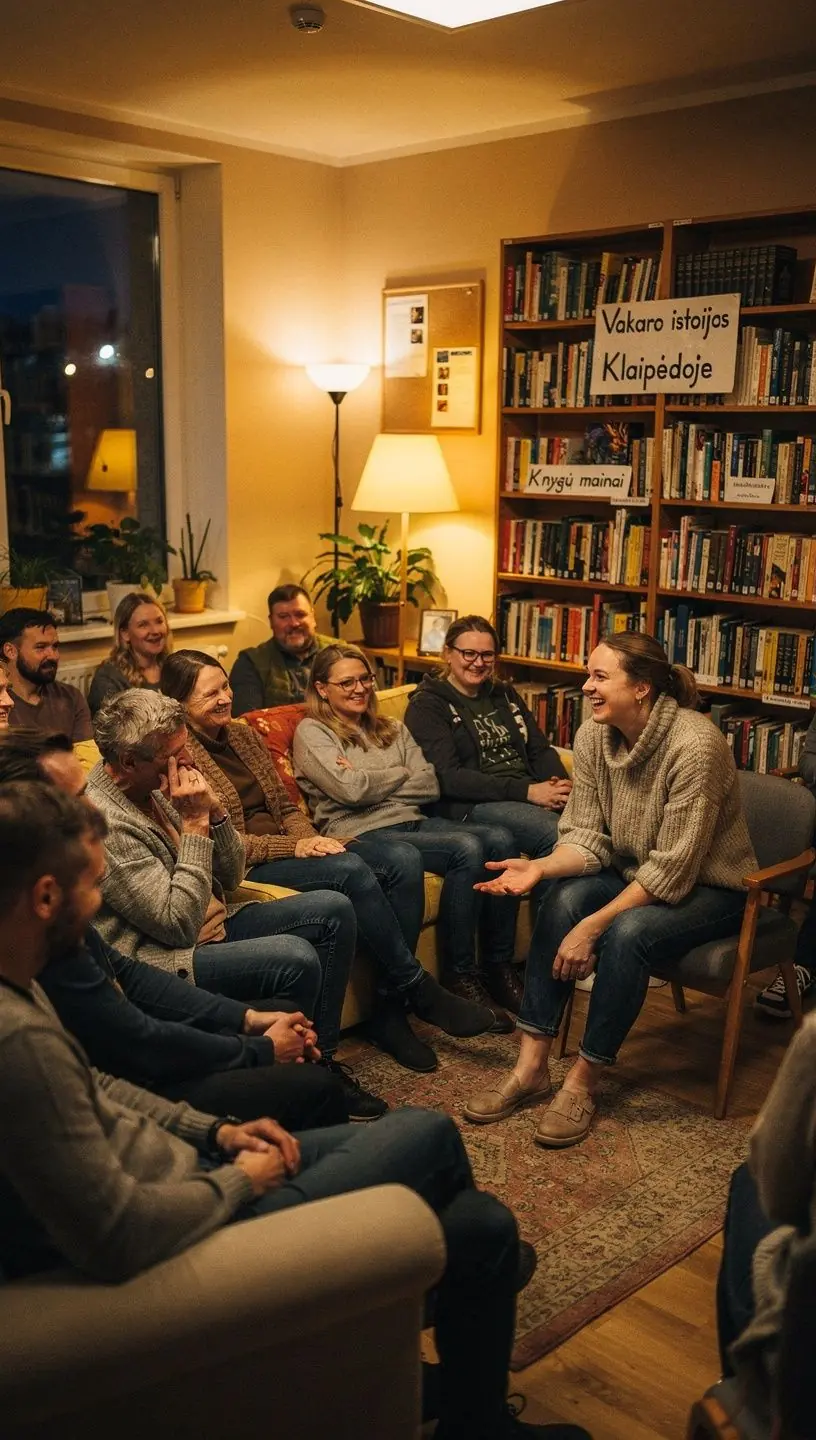
How to Facilitate Engaging Discussions in Groups
Facilitating engaging discussions in group settings can be both an art and a science. It involves understanding the dynamics of group interaction and employing strategies that encourage participation. This article explores effective methods to foster meaningful conversations, particularly for individuals aged 40-60, who can benefit from social connections and cultural meetups.
Understanding Group Dynamics
Group dynamics refer to the psychological and social processes that influence the behavior of individuals within a group. Understanding these dynamics is crucial for effective discussion facilitation. Experts suggest that recognizing individual personalities and communication styles can significantly enhance group interaction. According to research, fostering an inclusive environment where every member feels valued can lead to increased engagement and satisfaction.

"Creating a safe space for dialogue encourages participants to express their thoughts and ideas more freely." - Group Facilitation Specialist
Strategies for Facilitating Discussions
Here are some practical strategies that can help facilitate engaging discussions:
- Set Clear Objectives: Before initiating a discussion, establish clear objectives. This provides direction and focus, helping participants understand the purpose of the conversation. Studies show that discussions with defined goals are often more productive.
- Encourage Active Participation: Use techniques such as open-ended questions and prompts to stimulate dialogue. In many cases, participants are more likely to engage when they feel their opinions matter. Experts recommend using tools like round-robin sharing, where each member has an opportunity to speak.
- Listen Actively: Active listening is crucial for facilitating engaging discussions. Acknowledging contributions and building on others' ideas fosters a collaborative environment. Research indicates that groups with active listeners tend to have more constructive conversations.
Overcoming Challenges
While facilitating discussions, challenges may arise, such as dominant speakers overshadowing others or participants feeling hesitant to share their thoughts. Addressing these issues requires a proactive approach:
- Manage Dominance: Gently intervene if one or two individuals dominate the conversation. Encouraging quieter members to share their perspectives can balance participation.
- Create a Comfortable Atmosphere: Facilitators should strive to create a relaxed environment. Activities that break the ice, such as icebreaker games or informal introductions, can help participants feel more at ease.
- Be Patient: Some participants may take longer to express their thoughts. Providing adequate time for reflection can enhance the quality of contributions. This approach often results in deeper, more meaningful discussions.
Conclusion
Facilitating engaging discussions in groups requires skill, patience, and an understanding of group dynamics. By setting clear objectives, encouraging active participation, and addressing challenges effectively, facilitators can create an environment conducive to meaningful dialogue. Remember, while the techniques outlined may not guarantee immediate results, over time, they can lead to more productive and enjoyable discussions. This is especially beneficial in group settings designed for social interaction, such as cultural meetups and community events.
Learn More